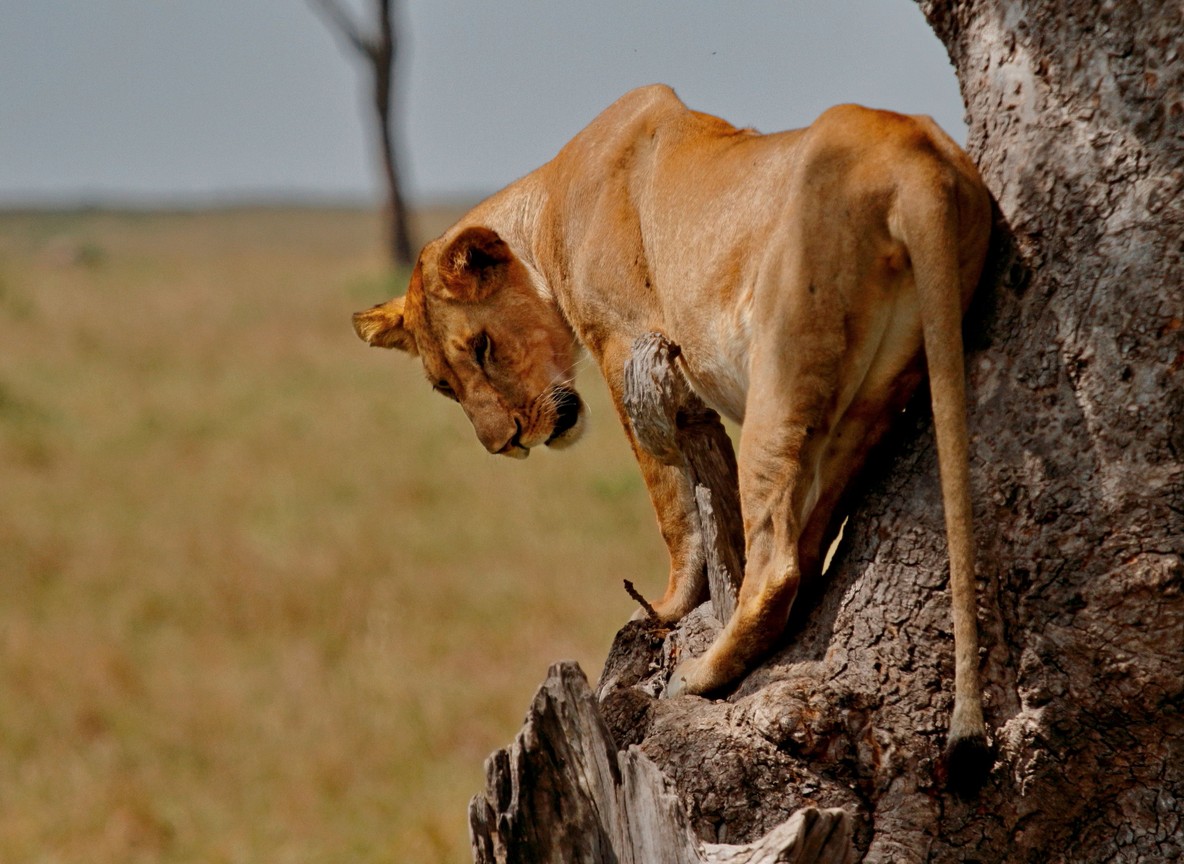
There is a moment, somewhere around 5:30 in the morning, when the tent canvas breathes with a slow wind off the savanna and a lion calls from somewhere close enough to quicken your pulse. No generator hum. No bar chatter. No footpath lighting. Just the bush at full volume and a canvas wall between you and everything that matters.
A mobile camping safari is the original safari format. The camp moves with the wildlife, repositioning across conservancies to place you where the animals are. This guide explains how the format works, where camps go, and how to decide if it is the right way for you to see Kenya.
What Is a Mobile Camping Safari?
A mobile camping safari is a camp that relocates. Instead of sleeping in the same tents in the same clearing for the entire trip, the crew breaks camp, loads everything onto vehicles, and rebuilds at a new site — sometimes in a different conservancy, sometimes just a few kilometres to follow fresh sightings.
The core components across reputable operators:
- Safari tents on steel frames with proper camp beds and cotton bedding
- A mess tent with a dining table and camp kitchen producing full bush meals
- A camp crew of three to six: a chef, tent staff, and a spotter
- A lead guide in a 4×4 who sets the itinerary based on morning reports and field knowledge
The critical difference from a permanent lodge is location flexibility. A fixed camp in the Masai Mara is in one place, always. A mobile camp can position inside the Mara conservancies for the migration, then Ol Pejeta for rhino, then Samburu for northern specials, all on a single trip.
A Day on a Mobile Safari
Understanding the daily rhythm matters, because it is different from a lodge routine.
4:45 AM: A crew member brings hot tea or coffee to your tent flap. No alarm clock.
5:15 AM: Morning game drive departs. Predators are still active, light is best for photography, and the guide knows exactly where to go.
8:30 AM: Return for a full bush breakfast cooked over open flame.
9:30 AM to 3:30 PM: Rest period. One of the genuine pleasures of the bush: sleeping under canvas while birds call in the acacia overhead.
4:00 PM: Afternoon game drive, running until the light dies or the guide finds something worth staying for.
Sundowner stop: A folding table appears, drinks are poured, the horizon turns orange.
7:30 PM: Back to camp. Warm bucket shower, lanterns lit, dinner under the stars.
Mobile Camp vs Permanent Lodge vs Budget Camping
| Feature | Mobile Camp (Private) | Permanent Lodge | Budget Camping |
|---|---|---|---|
| Location flexibility | Moves with wildlife | Fixed address | Fixed public campsites |
| Exclusivity | Private (your group only) | Shared with 20-80 guests | Shared public sites |
| Wildlife proximity | Camp placed by fresh sightings | Best site the lodge can afford | Designated public zones |
| Tent quality | Proper beds, ensuite option | Hotel-grade rooms | Basic tents, communal ablutions |
| Meals | Private chef, full bush meals | Buffet or set menu | Self-catering or basic package |
| Night sounds | Unfiltered bush | Muted by walls and generator | Unfiltered, shared site |
| Game drives | Private vehicle, flexible hours | Often shared, fixed times | Shared, standard hours |
| Typical daily rate | $350-$800 per person | $250-$1,500 per person | $80-$150 per person |
The lodge wins on physical comfort and reliable electricity. The mobile camp wins on proximity, privacy, flexibility, and genuine immersion.
Where Mobile Camps Are Positioned in Kenya
The best sites sit outside main national parks in private conservancies. These areas allow positioning that public parks cannot.
Masai Mara Conservancies: The flagship. Conservancies including Olare Motorogi, Naboisho, and Ol Kinyei permit private mobile camping by licensed operators. Wildlife density is the highest in Kenya. During the Great Migration (July to October), wildebeest crossings happen within reach of a well-positioned camp.
Samburu National Reserve: Northern Kenya’s specialist species — Grevy’s zebra, reticulated giraffe, gerenuk — draw repeat travellers. Mobile camps here access community conservancy areas unreachable by larger groups.
Amboseli and Laikipia: Elephant herds under Kilimanjaro draw guests to Amboseli, while Laikipia is Kenya’s best rhino country. Private conservancies in Laikipia run mobile camps with black rhino tracking on foot and night drives unavailable in national parks.
Fly Camping: A stripped-back one-night extension — a lightweight camp deep in a conservancy with sleeping cots, a shade fly, and nothing else between you and the bush. The most intense format available. Best built into a longer Kenya itinerary for guests who want the maximum unfiltered experience.
Who Mobile Camping Is Right For
Luxury solo travellers: Private mobile safari is the most personal format. You set the itinerary, control the pace, and the camp is entirely yours. The guide relationship becomes genuinely personal over several days.
Repeat Kenya travellers: If you have done the permanent lodges and want something new, the mobile format reframes the entire country. A fixed lodge can start to feel like looking at Kenya through glass.
Wildlife photographers: Flexible departure times, camp positions chosen for light and sightings, and a private vehicle that can wait at a cheetah kill for ninety minutes. The mobile format is built for serious camera work.
Adventure couples: Shared exposure to unfiltered bush and the genuine vulnerability of canvas walls create an intensity no hotel suite can manufacture.
Not right for: Guests with serious mobility challenges, children under 8 on fly camp nights, or travellers who need reliable power and connectivity.
What It Costs
Typical all-inclusive daily rates (2026):
- Mid-range private mobile camp: $350 to $550 per person per day
- Premium mobile camp: $550 to $800+ per person per day
Included: all accommodation and meals, private 4×4 with pop-top roof, park and conservancy fees, guide for the full duration, transfers within the itinerary, water and soft drinks in the field.
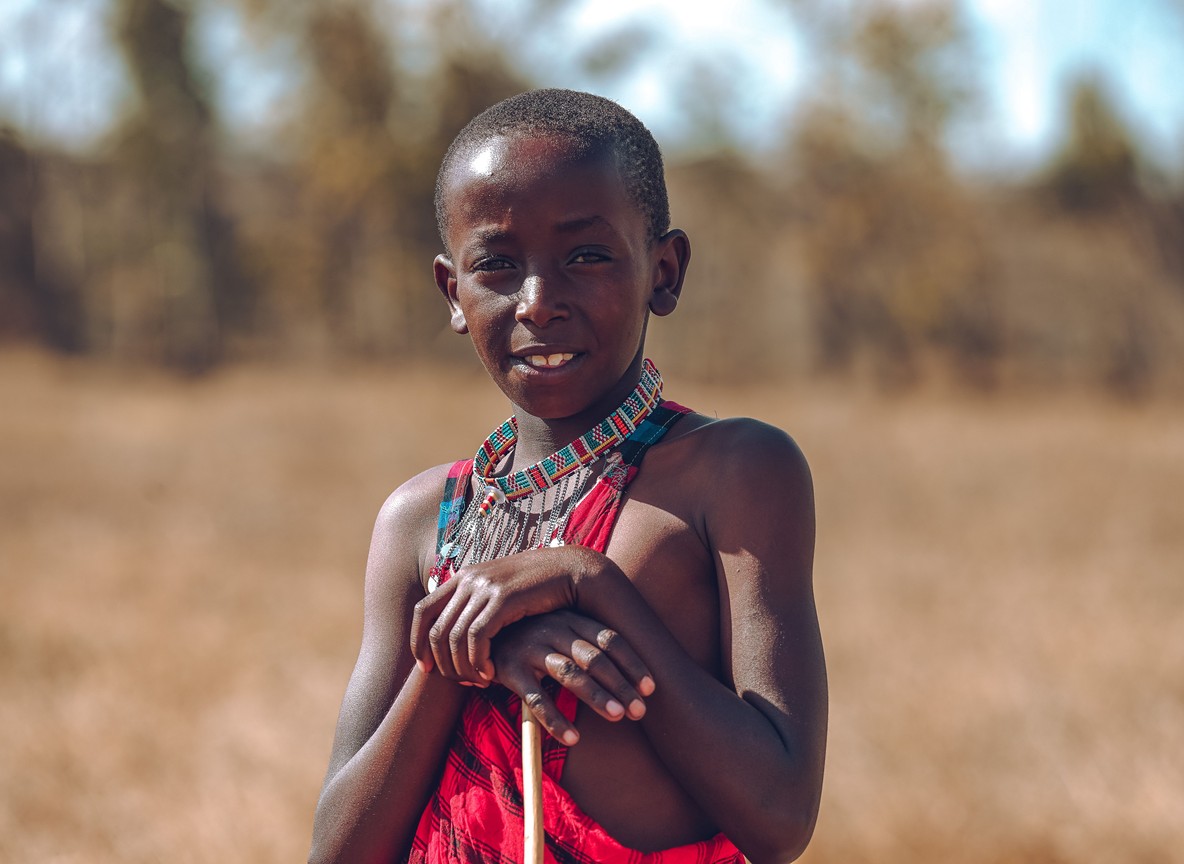
Conservancy fees, which run $80 to $150 per person per night, fund direct conservation payments to Maasai landowners who have removed livestock to create wildlife space. The mobile format is one of the most direct links between what you pay and what you protect.
When to Book
July to October: Great Migration season. A mobile camp in the Mara conservancies accesses crossing points that standard reserve vehicles cannot reach. Peak booking period — reserve four months ahead.
January to March: Calving season. Predator concentrations peak, camps are quieter, and photography conditions are outstanding.
June and November: Shoulder months with strong wildlife and fewer visitors. June is dry and clear.
April and May: Long rains. Road access can be difficult. Mobile camping is possible but requires local knowledge of viable sites.
Planning Your Mobile Safari
For an overview of the conservancy landscape and what to expect from each region, the Tourinsights Masai Mara guide covers the Mara ecosystem in detail, including the conservancy system that makes mobile camping possible. For the Samburu option, the Samburu guide covers the northern Kenya circuit and what the Special Five offer on a private camp itinerary.
Every trip described here can be tailored: dates, budget, camps, and pace built around you.
Get a Personalised Safari